Korea–Asia Circular Alliance (KCA)
Korea–Asia Circular Alliance (KCA)
Korea–Asia Circular Alliance (KCA)
A regional cooperation platform for the circular economy transition and Asia–EU interoperability
A regional cooperation platform for the circular economy transition and Asia–EU interoperability
A regional cooperation platform for the circular economy transition and Asia–EU interoperability
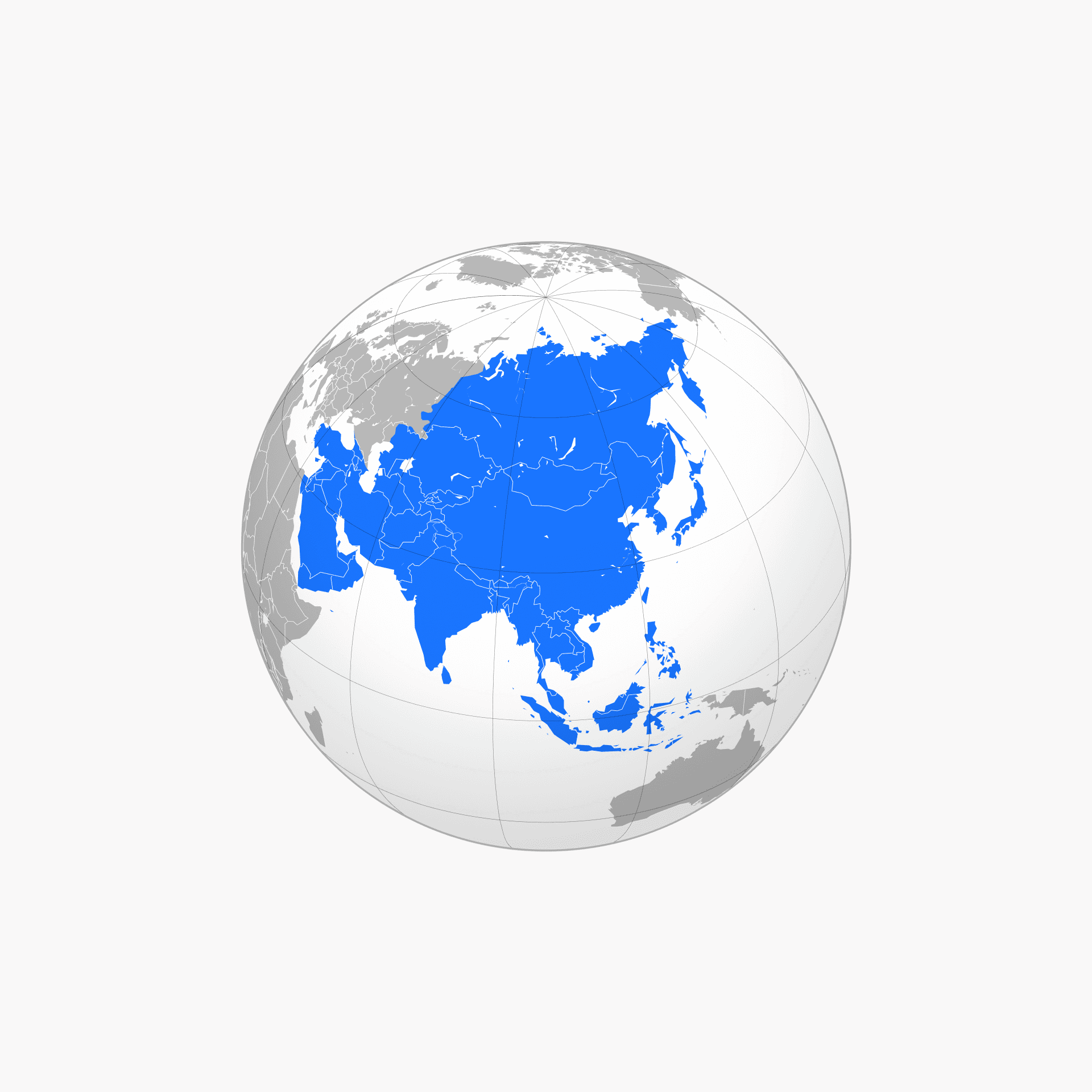
The Korea–Asia Circular Alliance (KCA) is a regional cooperation platform established under the leadership of CARE ID. Starting with textiles and fashion and extending responsibly across lifestyle products, packaging and waste, it brings together a wide range of stakeholders to build a collaborative circular economy ecosystem in Asia.
To this end, KCA works to secure genuine interoperability with European circular economy frameworks, including the Digital Product Passport (DPP) and the Packaging and Packaging Waste Regulation (PPWR).
KCA’s vision begins from a simple premise: the circular economy cannot scale without structured information and data interoperability. The shift towards a circular economy and digital transparency is not merely a change in process, but a structural change across the entire lifecycle of products and packaging, from production, distribution and use to collection and recycling. Realising it therefore depends on close and systematic strategic coordination between manufacturers, brands, packaging companies and waste-collection and recycling companies, as well as industry associations, research institutions and policymakers.
KCA Calendar
KCA Calendar
KCA Calendar
KCA Opening Ceremony
KCA Opening Ceremony
KCA Opening Ceremony
The opening ceremony of the Korea–Asia Circular Alliance (KCA) brings together brands, manufacturers, suppliers and industry organisations to mark the official launch of a regional network connecting Asia's circular economy with European frameworks such as the Digital Product Passport (DPP). The day also shares progress from our DPP-Lite pilot and showcases Lao products carrying a DPP.
The opening ceremony of the Korea–Asia Circular Alliance (KCA) brings together brands, manufacturers, suppliers and industry organisations to mark the official launch of a regional network connecting Asia's circular economy with European frameworks such as the Digital Product Passport (DPP). The day also shares progress from our DPP-Lite pilot and showcases Lao products carrying a DPP.
The opening ceremony of the Korea–Asia Circular Alliance (KCA) brings together brands, manufacturers, suppliers and industry organisations to mark the official launch of a regional network connecting Asia's circular economy with European frameworks such as the Digital Product Passport (DPP). The day also shares progress from our DPP-Lite pilot and showcases Lao products carrying a DPP.
18 November 2026 | 09:30 – 13:00 (ICT)
18 November 2026 | 09:30 – 13:00 (ICT)
18 November 2026 | 09:30 – 13:00 (ICT)
Crowne Plaza Hotel, Vientiane, Laos
Crowne Plaza Hotel, Vientiane, Laos
Crowne Plaza Hotel, Vientiane, Laos
In person
KCA Seoul 2026 Showcase Seminar
KCA Seoul 2026 Showcase Seminar
KCA Seoul 2026 Showcase Seminar
The KCA Seoul 2026 Seminar brings together circular economy stakeholders from Korea and Laos. It shares the CARE ID DPP-Lite pilot, which captures garment factory production data and turns it into factory-level Digital Product Passport (DPP) data, run in collaboration with Lao fashion brands and factories. The seminar opens a discussion on the circular economy transition, presents the Laos case and the results from CARE ID’s DPP work over the course of 2026, and showcases Lao products carrying a DPP. You can take part in person or online by live stream.
The KCA Seoul 2026 Seminar brings together circular economy stakeholders from Korea and Laos. It shares the CARE ID DPP-Lite pilot, which captures garment factory production data and turns it into factory-level Digital Product Passport (DPP) data, run in collaboration with Lao fashion brands and factories. The seminar opens a discussion on the circular economy transition, presents the Laos case and the results from CARE ID’s DPP work over the course of 2026, and showcases Lao products carrying a DPP. You can take part in person or online by live stream.
The KCA Seoul 2026 Seminar brings together circular economy stakeholders from Korea and Laos. It shares the CARE ID DPP-Lite pilot, which captures garment factory production data and turns it into factory-level Digital Product Passport (DPP) data, run in collaboration with Lao fashion brands and factories. The seminar opens a discussion on the circular economy transition, presents the Laos case and the results from CARE ID’s DPP work over the course of 2026, and showcases Lao products carrying a DPP. You can take part in person or online by live stream.
11 December 2026 (Fri) | Time TBC
11 December 2026 (Fri) | Time TBC
11 December 2026 (Fri) | Time TBC
Textile Center, Seoul, South Korea
Textile Center, Seoul, South Korea
Textile Center, Seoul, South Korea
In person
Online
Coming Soon
Coming Soon
Coming Soon

SECTION 1
A cooperation-led roadmap for circular interoperability
A Collaboration-Led Circular Interoperability Roadmap
A cooperation-led roadmap for circular interoperability
Rather than producing new standards, KCA focuses on building practical interoperability pathways between Asia and Europe through systematic collaboration.
Rather than producing new standards, KCA focuses on building practical interoperability pathways between Asia and Europe through systematic collaboration.
Rather than producing new standards, KCA focuses on building practical interoperability pathways between Asia and Europe through systematic collaboration.
KCA’s core strategic directions:
KCA’s core strategic directions:
KCA’s core strategic directions:
Share circular information models for products and packaging
Standardise data fields between stakeholders in the value chain
Connect data on packaging recyclability, recycled content and waste-treatment history
Study interoperable identifier approaches
Build reference architecture suited to manufacturing-led supply chains
Working alongside CIRPASS-2, W3C, UNTP and major European circular economy networks, KCA helps translate EU regulatory requirements (including ESPR and PPWR) into models that Asia’s circular economy ecosystem can realistically put into practice.
Working alongside CIRPASS-2, W3C, UNTP and major European circular economy networks, KCA helps translate EU regulatory requirements (including ESPR and PPWR) into models that Asia’s circular economy ecosystem can realistically put into practice.
Working alongside CIRPASS-2, W3C, UNTP and major European circular economy networks, KCA helps translate EU regulatory requirements (including ESPR and PPWR) into models that Asia’s circular economy ecosystem can realistically put into practice.
SECTION 2
Core strategic directions
Core strategic directions
Core strategic directions
Strengthen communication between circular economy stakeholders across Asia
Hold KCA seminars (online and offline) to build resilient regional value chains and strengthen readiness for global regulation
Run pilot projects to prepare for practical digital transition (product DPP, packaging data management)
Develop circular economy reference models, starting with textiles and fashion and expanding into lifestyle products and packaging
Contribute applied R&D and knowledge-sharing to support the exchange of expertise across the region


SECTION 3
Who can take part
Who can take part
Who can take part
KCA welcomes every stakeholder in the circular economy ecosystem, including:
KCA welcomes every stakeholder in the circular economy ecosystem, including:
KCA welcomes every stakeholder in the circular economy ecosystem, including:
Textile and garment manufacturers
Yarn and material suppliers
Fashion brands and exporters
Lifestyle and consumer-goods companies
Packaging manufacturers and distributors
Industry associations and bodies
Testing, inspection and certification bodies
Waste-collection, sorting and recycling companies
Textile recyclers and circular-material suppliers
Repair and remanufacturing service providers
Technology and digital-infrastructure solution companies
Fashion education and academic institutions
Research and policy institutions
In its current formation stage, KCA operates as a collaborative alliance platform, not a for-profit paid membership programme.
SECTION 4
How to join
How to join
How to join
Express interest in participating
Discuss directions for cooperation
Join the KCA network
Benefits of participation:
KCA newsletter with key updates
Invitations to seminars
Access to working sessions
Opportunities for global collaboration and networking
Benefits of participation:
KCA newsletter with key updates
Invitations to seminars
Access to working sessions
Opportunities for global collaboration and networking

SECTION 5