
Digital Product Passports are being shaped in Europe. But the supply chains that will depend on them are spread across the world. That is the gap we are working to close.
In late May, CEN and CENELEC published the first European standards underpinning the EU’s DPP framework, covering how product data is identified, carried, stored, and exchanged. The technical baseline is now taking shape.
Manufacturers across the world’s garment hubs already supply global markets, yet much of their production data still sits in paper records, spreadsheets, and fragmented systems. As buyers and ESPR-driven requirements increasingly demand structured, machine-readable product data, this gap becomes a real competitiveness issue.

At last week’s KOICA CTS C-Day, our CEO 노힘찬 and CSO DAJEONG. presented CARE ID’s DPP-Lite project for the Lao garment industry. Our project helps factories capture essential production data through their existing workflows, aligned with emerging European standards.
For us, success should be measured by the local capacity that remains after the pilot. That is why DPP-Lite is designed as genuine R&D and capacity-building with Association of the Lao Garment Industry, Lao garment factories and fashion brands who will work with the data in practice.
As part of this journey, CARE ID will continue to share updates on the progress and local implementation of the DPP-Lite project through the end of this year.
We hope you’ll continue to follow along as we work with our partners to support the digital transformation of Laos’ fashion and garment industry.
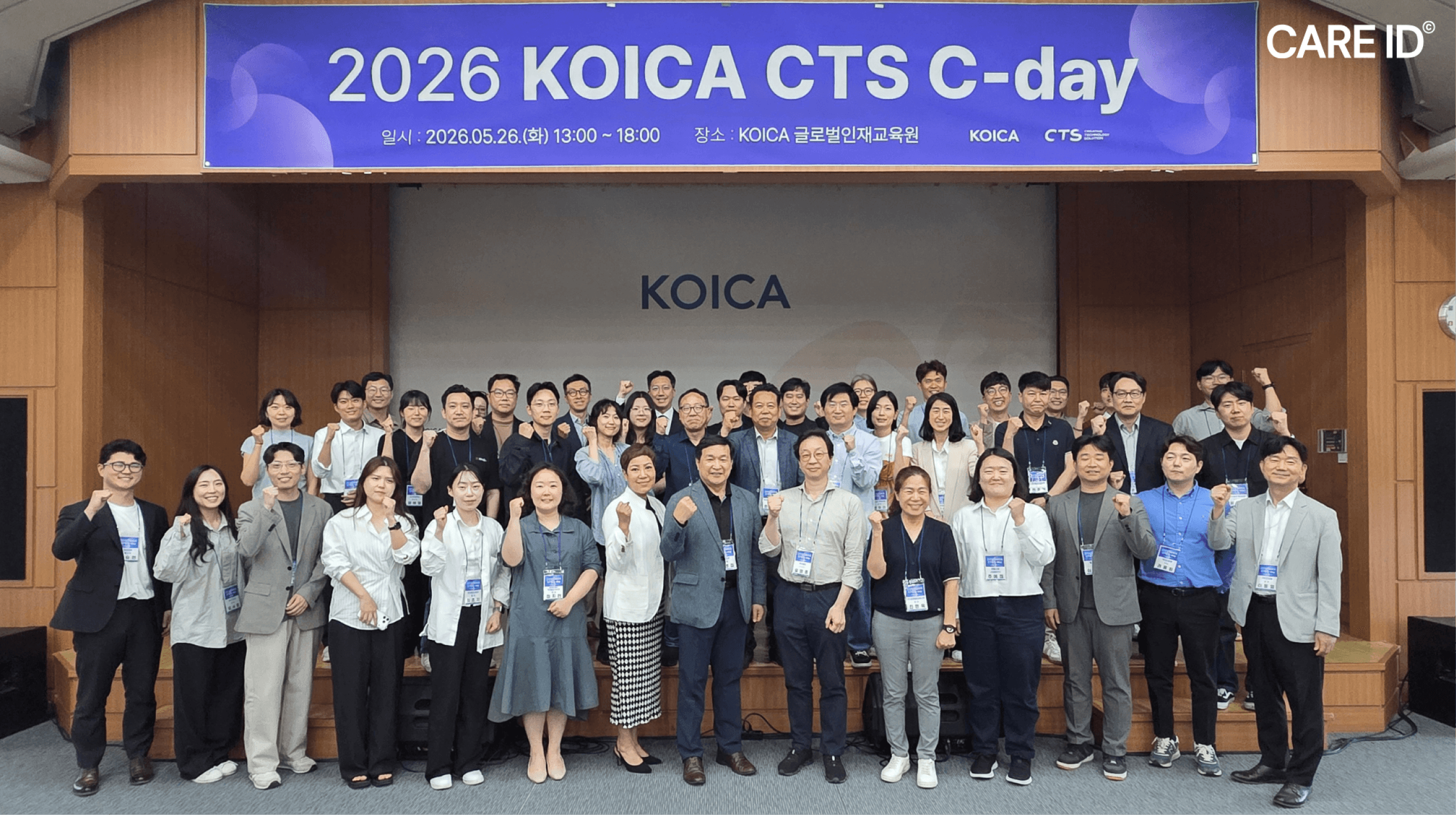
*DPP-Lite Project is implemented by CARE ID with support from the Korea International Cooperation Agency (KOICA) under its Creative Technology Solution (CTS) programme.